
Artificial Intelligence (AI) has become one of the most transformative forces in the modern world. It refers to machines and systems designed to simulate human intelligence, enabling them to learn, reason, and make decisions. With AI already integrated into numerous aspects of life, its impact on our daily routines and professional environments cannot be overstated. Let’s dive into how Artificial Intelligence is changing how we live and work.
Definition of Artificial Intelligence (AI)
AI encompasses technologies like Machine Learning, neural networks, Natural Language Processing (NLP), and Robotics. These systems are designed to mimic human cognitive functions, such as learning from data, understanding language, and even making autonomous decisions.
Historical Context of AI
The idea of Artificial Intelligence dates back to the mid-20th century, with foundational work by Alan Turing, who proposed the Turing Test, a measure of a machine’s ability to exhibit intelligent behavior. From simple rule-based systems to the advanced AI models we have today, technology has evolved exponentially, marking milestones such as the creation of IBM’s Deep Blue (which beat a world chess champion in 1997) and the rise of self-learning algorithms.
Why AI Matters Today
Today, Artificial Intelligence influences almost every industry, from Healthcare to entertainment, transforming processes, improving efficiency, and enabling innovation. In short, AI is no longer just a field of research — it’s an integral part of modern life.
II. How Artificial Intelligence is Changing Our Lives
AI is revolutionizing the way we approach tasks, solve problems, and even live our lives. From enhancing healthcare to transforming daily activities, AI is everywhere. Let’s take a closer look at how it’s making a difference in our world.
1. AI in Healthcare
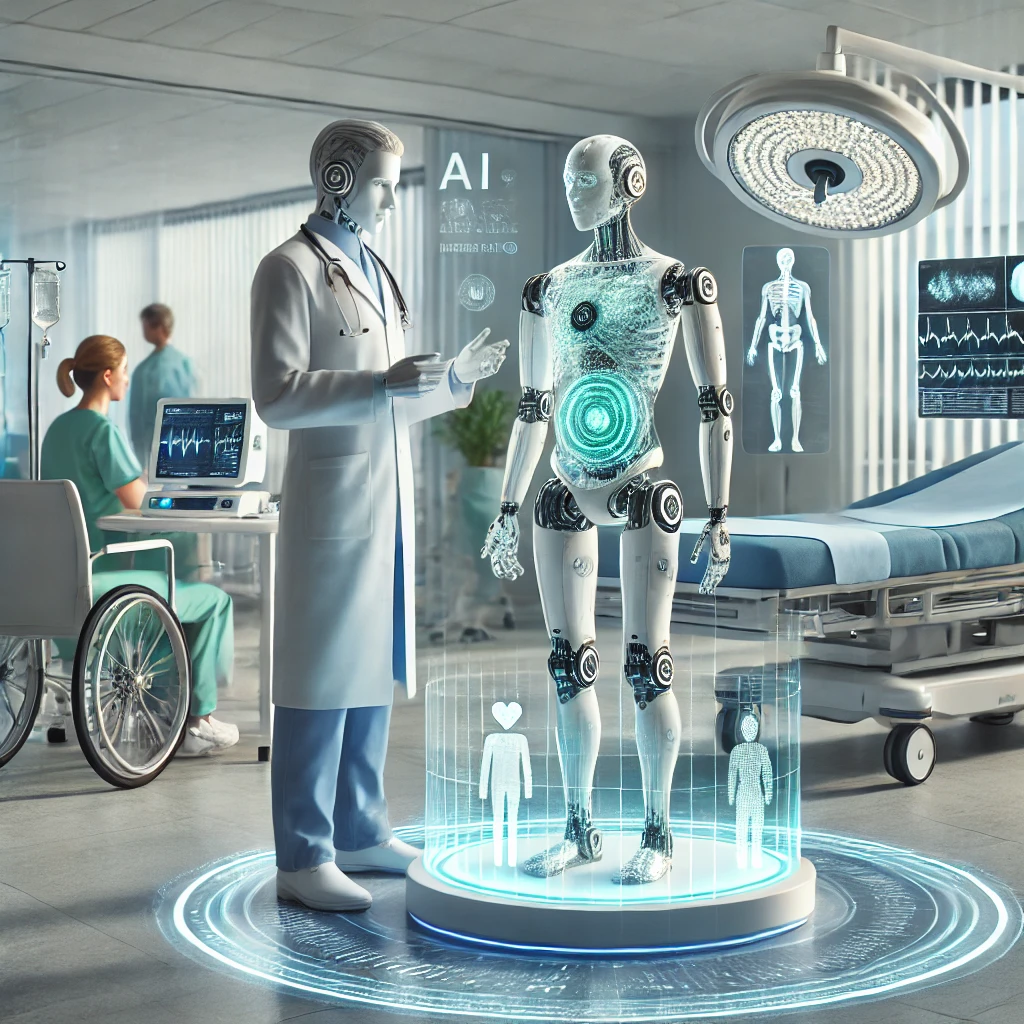
AI’s impact on healthcare has been profound, offering new ways to diagnose, treat, and manage health conditions.
Diagnostic Tools and Predictive Analytics
AI-powered tools can analyze medical data quickly and accurately, providing early detection of diseases like cancer, heart disease, and diabetes. These technologies often offer predictive analytics, allowing doctors to foresee potential health risks before they become critical.
AI-Driven Medical Research
Artificial Intelligence accelerates drug development by simulating the effects of different compounds. Researchers can analyze vast datasets to identify promising treatments more efficiently.
Robotic Surgeries and Virtual Health Assistants
Robotic surgery powered by AI enhances precision in complex procedures, reducing human error. Meanwhile, virtual assistants like AI-powered chatbots offer immediate medical consultations and reminders for ongoing treatment.
Personalized Medicine
AI is paving the way for more personalized healthcare, where treatment plans are tailored to the genetic makeup of individual patients, leading to better outcomes.
2. AI in Everyday Living
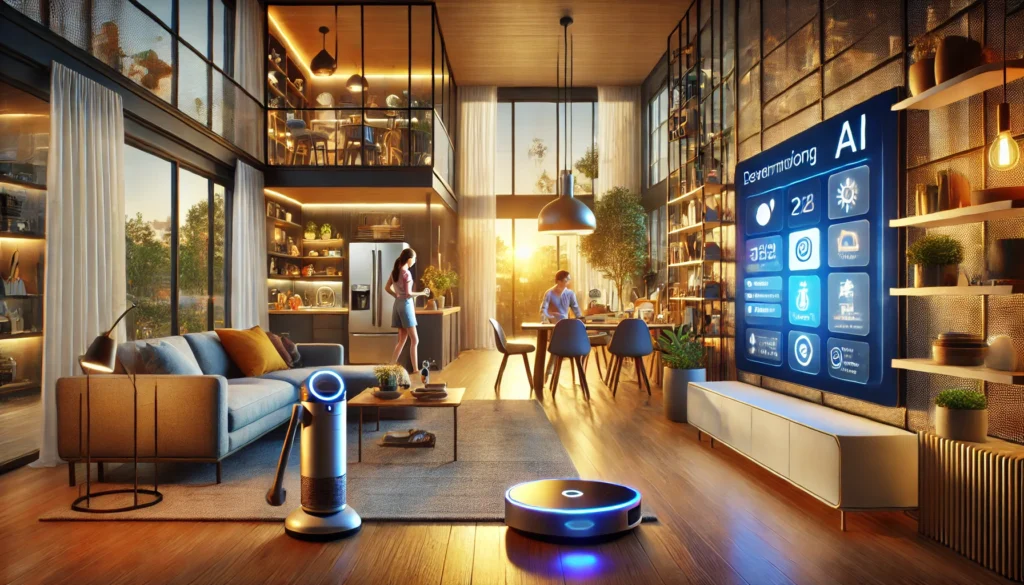
AI isn’t just changing the world of medicine — it’s also transforming our daily routines.
Smart Homes and IoT
Artificial Intelligence has made homes smarter, with devices like Amazon’s Alexa and Google Assistant. These systems use natural language processing to control lighting, security, entertainment, and more, all through voice commands.
AI-Powered Apps
Whether it’s recommending products, optimizing shopping experiences, or providing personalized entertainment suggestions, AI is behind many of the apps we use daily.
Autonomous Vehicles
Artificial Intelligence is revolutionizing transportation, with self-driving cars improving safety, efficiency, and mobility. Companies like Tesla are at the forefront, offering vehicles that can navigate without human intervention.
AI in Education
In education, AI is enhancing learning experiences. Adaptive learning platforms customize lessons based on individual students’ needs, creating personalized education pathways.
3. AI and Personalization
Personalization has become a hallmark of AI’s capabilities. From the way we shop to the media we consume, AI tailors our experiences.
Customized Digital Experiences
AI analyzes data to recommend content across platforms like Netflix, Spotify, and Amazon, making our digital lives more personalized and enjoyable. It’s not just about convenience — AI helps us discover content that we might never have found otherwise.
Enhanced Social Media Interactions
Social media platforms use AI to curate content, ensuring that users see posts that match their interests, whether it’s news, videos, or ads. This allows for a more engaging user experience.
4. AI and the Environment
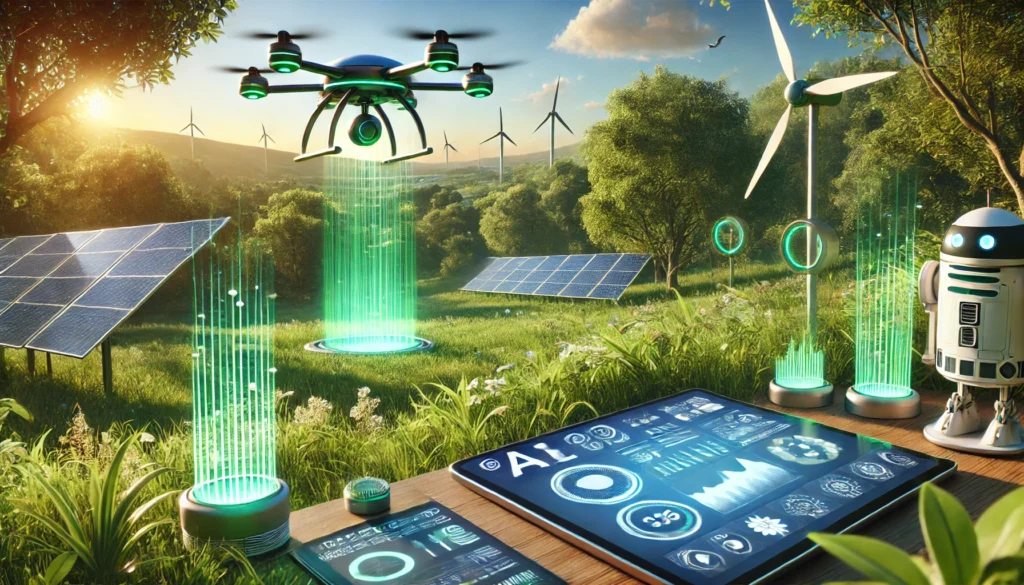
AI also plays a significant role in addressing environmental challenges and advancing sustainability.
Environmental Monitoring
AI is used to monitor ecosystems, track biodiversity, and even predict natural disasters. By analyzing large amounts of data from sensors, satellites, and IoT devices, AI can provide insights that help protect the planet.
AI in Renewable Energy
AI optimizes energy consumption and supports renewable energy systems, ensuring more efficient power distribution. In wind and solar energy, AI can predict weather patterns, improving energy generation.
Smart Agriculture
AI is transforming farming with intelligent systems that monitor crop health, predict yields, and optimize irrigation, which can lead to more sustainable agricultural practices.
III. AI’s Impact on the Workplace
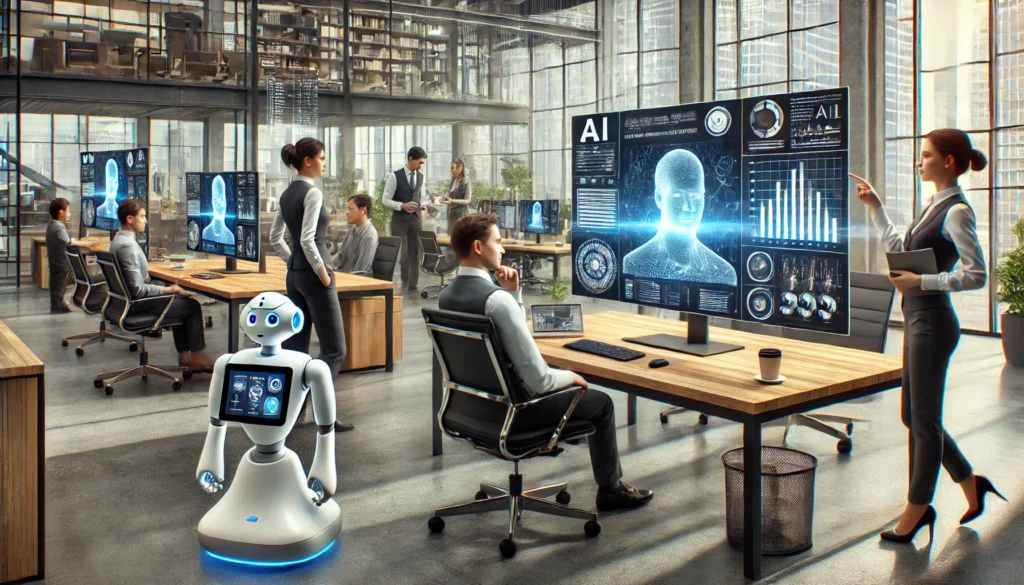
As AI continues to evolve, its impact on the workplace is undeniable. The automation of tasks, improvement of workflows, and transformation of business operations are just a few ways it’s reshaping professional environments.
1. Automation and Job Transformation
AI excels at automating repetitive tasks, freeing up human workers to focus on more complex problems. This shift is especially evident in manufacturing, where robots powered by AI are handling assembly lines, quality control, and packaging.
Impact on Jobs
While some jobs are at risk due to automation, AI also creates new roles in tech, AI development, and data science. Companies must invest in upskilling workers to thrive in an AI-enhanced workplace.
2. AI in Recruitment and Human Resources
AI has transformed HR with tools that automate resume screening, enhance candidate matching, and even conduct initial interviews via chatbots.
AI-Driven Talent Acquisition
HR departments use AI to streamline recruitment, ensuring that only the most suitable candidates are considered. AI also helps in analyzing employee performance and enhancing training programs.
3. AI in Business Operations
From customer service to predictive analytics, AI is becoming a key player in business operations.
Automation of Customer Service
AI-powered chatbots and virtual assistants handle customer inquiries, offering 24/7 support and reducing the need for human intervention in repetitive tasks.
Predictive Analytics
Businesses leverage AI to predict market trends, improve inventory management, and analyze consumer behavior. This helps companies stay competitive and responsive.
4. Ethical Considerations in AI at Work
As AI integrates deeper into the workplace, ethical concerns arise, especially regarding biases in algorithms, privacy issues, and the exclusion of human decision-making in certain processes.
IV. The Future of AI: What’s Next?
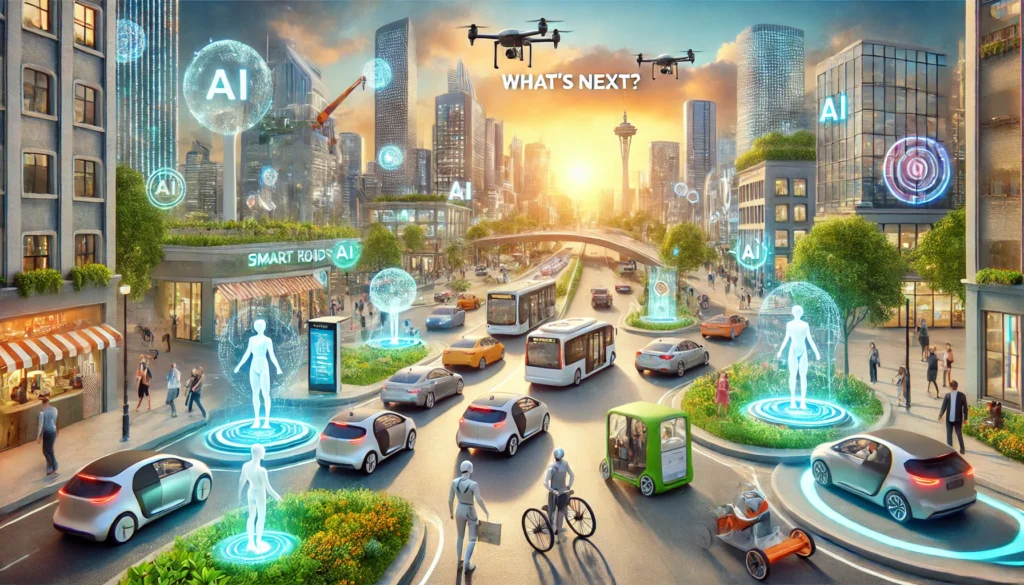
The potential for AI is vast, and its future promises even greater advancements.
1. AI and Advanced Robotics
The development of autonomous robots will continue, with applications in manufacturing, healthcare, and even personal assistance for the elderly.
2. AI in Creativity and Innovation
AI is already contributing to creative industries, producing art, music, and even literature. As AI tools become more advanced, they will continue to revolutionize how humans express creativity.
3. Artificial General Intelligence (AGI)
While today’s AI is narrow, AGI aims to replicate human-level cognitive abilities. If achieved, AGI could solve problems across all domains, but it also raises significant ethical and safety concerns.
4. Human-AI Collaboration
In the future, AI is likely to serve as a powerful tool for human augmentation, rather than replacing workers. The future of work will likely see humans and AI systems collaborating more closely.
V. Challenges and Risks of Artificial Intelligence
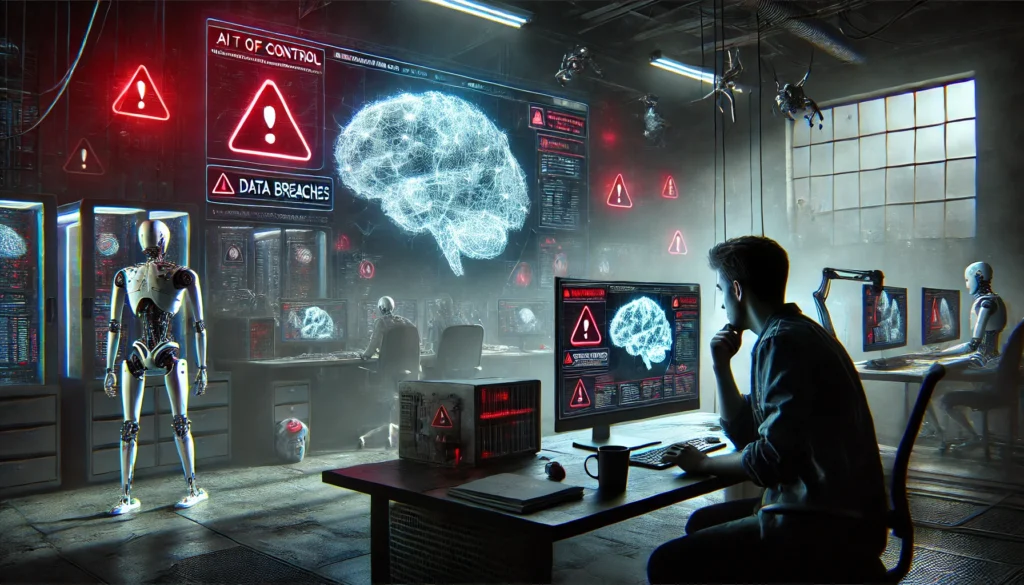
Despite its potential, AI faces numerous challenges, particularly in the realms of ethics, privacy, and job displacement.
1. Ethical Dilemmas and Bias
AI systems can perpetuate human biases, leading to unfair decision-making. Efforts are underway to improve transparency and fairness in AI algorithms.
2. Privacy and Security Concerns
As AI collects vast amounts of personal data, the risk of breaches and misuse becomes more concerning. The debate around AI accountability and cybersecurity is just beginning.
3. Fear of Job Loss
The automation of jobs through Artificial Intelligence poses a significant concern, especially in industries where manual labor is a dominant factor. Governments and companies need to focus on reskilling initiatives.
4. Overdependence on AI
Overreliance on AI for decision-making can lead to issues of accountability and loss of human insight. Striking the right balance is key to ensuring AI remains a helpful tool, not a replacement for human judgment.
Conclusion
Artificial Intelligence has the power to enhance our lives and work in unimaginable ways, but it also comes with risks that must be managed responsibly. By embracing AI in a balanced way, we can ensure it serves as a tool for progress and innovation, rather than a source of disruption.
FAQs
1. What is Artificial Intelligence (AI)?
- AI refers to machines or systems that simulate human intelligence. These systems can learn, reason, and make decisions based on data. Key components include machine learning and neural networks.
2. How is AI changing healthcare?
- AI is revolutionizing healthcare through improved diagnostics, personalized medicine, and robotic surgeries. It’s also accelerating medical research and drug development.
3. Will AI take over jobs?
- While AI will automate certain tasks, it also creates new job opportunities in technology, AI development, and data science. Upskilling will be crucial for workers to thrive in an AI-driven economy.
4. How does AI affect daily life?
- AI impacts daily life through smart devices, personalized recommendations, self-driving cars, and even virtual assistants. It makes many tasks more efficient and convenient.
5. What are the ethical concerns of AI?
- Ethical concerns include bias in AI algorithms, privacy risks, and the displacement of jobs. Ensuring AI is used responsibly requires transparency, fairness, and strong regulations.



Hi, just required you to know I he added your site to my Google bookmarks due to your layout. But seriously, I believe your internet site has 1 in the freshest theme I??ve came across. It extremely helps make reading your blog significantly easier.
Thank you so much for your kind words! We’re glad you enjoyed the layout and found it helpful for reading. We truly appreciate you bookmarking the site and are happy to hear the theme enhanced your experience.
Hi there! I’m at work browsing your blog from my new iphone! Just wanted to say I love reading through your blog and look forward to all your posts! Keep up the superb work!
Thank you so much! I’m glad you’re enjoying the blog, and I appreciate your support—more great posts are on the way!
Thank you for sharing excellent informations. Your web-site is very cool. I’m impressed by the details that you’ve on this website. It reveals how nicely you understand this subject. Bookmarked this web page, will come back for extra articles. You, my pal, ROCK! I found simply the information I already searched everywhere and just couldn’t come across. What a great web-site.
Wow, thank you so much! I’m thrilled that you found the information helpful and appreciate your support. I’ll keep sharing more useful content—glad to have you here!
I’m really inspired with your writing abilities as neatly as with the structure for your weblog. Is this a paid topic or did you customize it yourself? Anyway keep up the nice quality writing, it is rare to peer a great weblog like this one these days..
Thank you so much for the kind words! The theme is customized, and I’m really glad you’re enjoying both the design and the content.
Hello just wanted to give you a brief heads up and let you know a few of the pictures aren’t loading properly. I’m not sure why but I think its a linking issue. I’ve tried it in two different web browsers and both show the same results.
Thank you for letting me know! I’ll look into the image loading issue and check the links to make sure everything displays correctly. I appreciate you bringing this to my attention.
Hello there, just became alert to your blog through Google, and found that it is really informative. I am gonna watch out for brussels. I’ll appreciate if you continue this in future. Many people will be benefited from your writing. Cheers!
Thank you so much! I’m glad you found the blog informative. I’ll definitely keep sharing more content, and I appreciate your support—cheers!
What’s Happening i’m new to this, I stumbled upon this I have found It positively useful and it has aided me out loads. I hope to contribute & help other users like its aided me. Good job.
Welcome! I’m glad you found the post useful and that it helped you out. It’s great to hear you want to contribute and help others too—looking forward to your insights!