

In today’s fast-paced healthcare environment, automated clinical information systems have emerged as a game changer. These systems enable healthcare professionals to streamline operations, reduce human errors, and enhance patient care. These systems empower doctors, nurses, and administrators to make better decisions by automating routine tasks and providing real-time data. As the healthcare industry continues to evolve, the role of automated clinical information systems becomes increasingly critical. In this article, we’ll dive deep into the world of automated clinical information systems, their benefits, challenges, and future trends.
What Are Automated Clinical Information Systems?
Automated clinical information systems are technology solutions designed to manage, store, and process clinical data within healthcare settings. These systems use software tools to automate various clinical and administrative tasks, such as patient records management, lab test results, prescription orders, and appointment scheduling.
By automating these functions, healthcare organizations reduce the risk of errors, increase efficiency, and improve patient care quality. Additionally, automated systems can track patient histories, streamline communication, and provide decision support to clinicians, improving their ability to diagnose and treat patients effectively.
The Role of Automated Clinical Information Systems in Healthcare

Automated clinical information systems play a pivotal role in transforming healthcare. They offer several benefits, including:
1. Improved Patient Safety
One of the most significant advantages of automated clinical information systems is their ability to improve patient safety. These systems can flag potential drug interactions, allergies, and incorrect dosages, reducing the chances of medical errors. Moreover, automated systems ensure that all relevant patient information is readily available, helping clinicians make informed decisions.
2. Increased Efficiency and Productivity
By automating routine tasks like data entry, appointment scheduling, and billing, healthcare providers can focus on more critical patient care activities. This leads to faster processing times and reduces administrative burdens, resulting in more time for direct patient interaction and care.
3. Enhanced Communication and Collaboration
Automated clinical information systems facilitate seamless communication among healthcare professionals. Patient data is accessible in real time, ensuring that clinicians, nurses, and specialists are on the same page regarding patient care. This improved collaboration helps reduce delays, errors, and miscommunication.
4. Data Integration and Accessibility
Automated systems consolidate patient information from multiple sources, making it easy for healthcare providers to access comprehensive patient records. This integration leads to better decision-making as clinicians have all the necessary data.
Key Components of Automated Clinical Information Systems
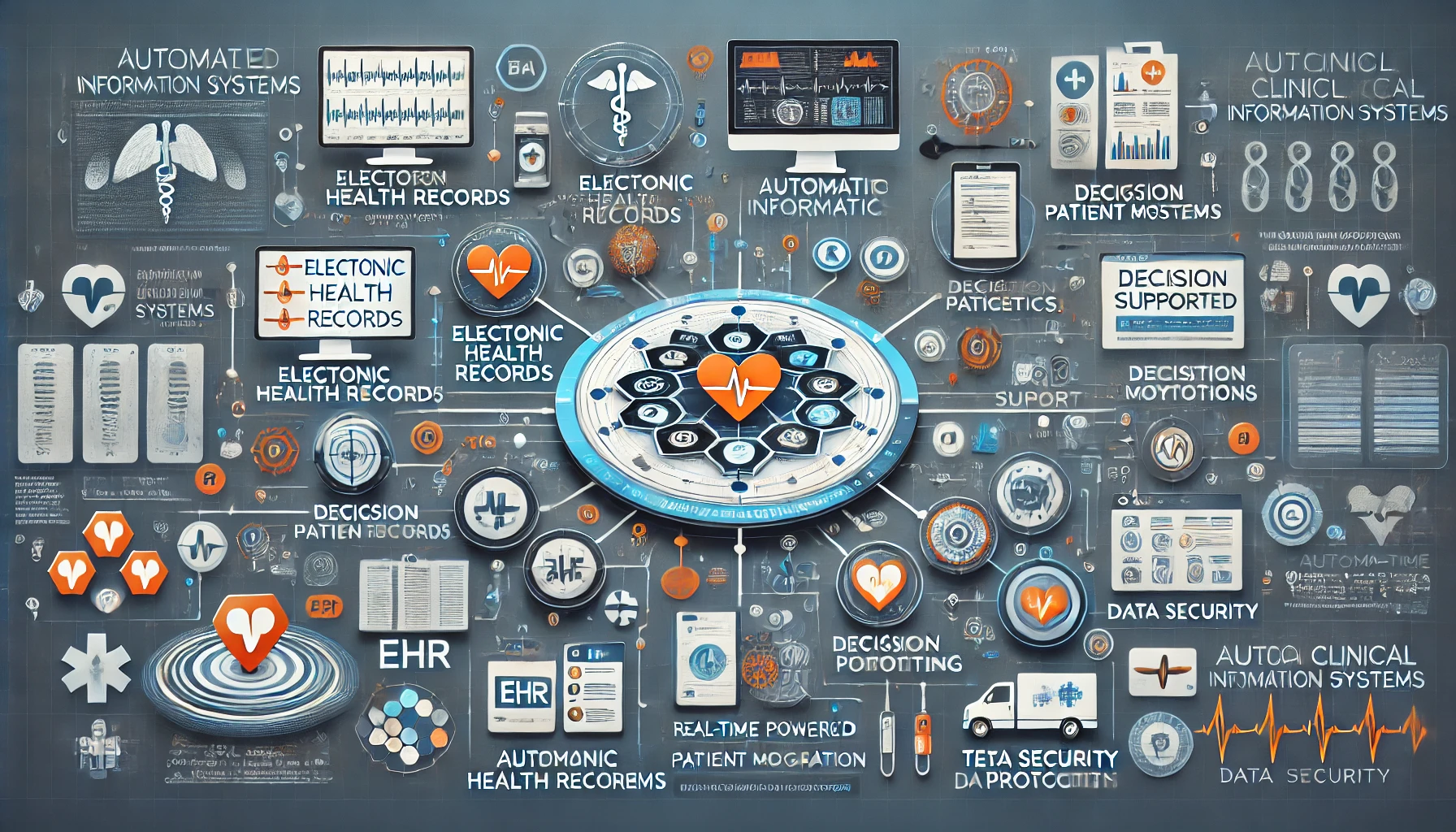
Several key components make up automated clinical information systems, each contributing to the efficiency and effectiveness of healthcare operations. These components include:
1. Electronic Health Records (EHR)
EHR systems are the backbone of most automated clinical information systems. They store detailed patient information, including medical history, lab results, diagnoses, and treatment plans. EHRs provide healthcare providers with a comprehensive, up-to-date record of each patient’s health status.
2. Clinical Decision Support Systems (CDSS)
A clinical decision support system (CDSS) is integrated into many automated systems to assist healthcare professionals in making clinical decisions. CDSS uses data and algorithms to provide recommendations or alerts, helping clinicians choose the most appropriate treatments and avoid potential risks.
3. Order Entry Systems
Automated order entry systems allow healthcare professionals to place medication orders, lab tests, and radiology requests directly into the system. These systems help eliminate errors caused by illegible handwriting and ensure that orders are processed quickly and accurately.
4. Radiology Information Systems (RIS)
RIS manages imaging data and integrates it with other hospital information systems. Automated RIS helps healthcare providers track patient imaging procedures, retrieve results, and maintain a complete imaging history.
5. Laboratory Information Systems (LIS)
The laboratory information system (LIS) handles all aspects of the clinical laboratory’s operations, including managing test orders, specimen tracking, and result reporting. An automated LIS streamlines workflows and helps reduce errors in lab testing.
Benefits of Implementing Automated Clinical Information Systems
Healthcare facilities that implement automated clinical information systems can expect a wide range of benefits:
1. Improved Patient Care
The primary goal of any healthcare system is to provide optimal care for patients. Automated clinical systems ensure that healthcare professionals have timely access to critical patient data, allowing them to make well-informed decisions. Real-time data also enables healthcare providers to track patient progress and adjust treatment plans accordingly.
2. Cost Efficiency
Automated systems can reduce operational costs by eliminating redundant tasks and minimizing the risk of errors that could lead to costly consequences. For example, automated billing and insurance claim processing save time and reduce administrative costs. Moreover, automation reduces the likelihood of misdiagnoses, which can lead to expensive treatments or legal issues.
3. Compliance with Regulations
Healthcare is a highly regulated industry, and maintaining compliance with regulations like HIPAA (Health Insurance Portability and Accountability Act) is critical. Automated clinical information systems help healthcare providers stay compliant by maintaining secure, accurate records that meet regulatory requirements.
4. Better Resource Management
Automated clinical information systems help healthcare institutions optimize resource allocation by providing real-time data on patient volumes, staffing needs, and inventory levels. This enables more efficient scheduling, resource planning, and overall management.
Challenges of Automated Clinical Information Systems
While automated clinical information systems offer numerous advantages, there are also some challenges to consider:
1. High Initial Cost
Implementing automated systems can be expensive, especially for small healthcare providers. The initial setup, software licensing, and training costs can be significant. However, these costs are typically recouped over time through improved efficiency and reduced errors.
2. System Integration Issues
Many healthcare providers use different software systems for various functions, which can lead to integration challenges. Ensuring that all systems communicate effectively is essential for maximizing the benefits of automation.
3. Data Security Concerns
With the increased reliance on digital records, patient data security is paramount. Cybersecurity threats can compromise sensitive information, making it crucial for healthcare organizations to invest in robust security measures and encryption technologies.
4. Resistance to Change
Some healthcare professionals may resist implementing automated systems due to unfamiliarity or fear of job displacement. Proper training and support can help overcome this resistance and ease the transition to automation.
Future Trends in Automated Clinical Information Systems
The future of automated clinical information systems looks promising. These systems will become even more sophisticated as technology advances, offering enhanced capabilities and improved outcomes. Some key trends to watch for include:
1. Artificial Intelligence (AI) Integration

AI and machine learning will play a more significant role in automated clinical information systems by providing advanced data analytics, predictive modelling, and personalized treatment recommendations.
2. Interoperability Across Platforms
Increased interoperability will enable seamless data exchange between healthcare providers, ensuring patient information is consistently accurate and accessible across different systems.
3. Telemedicine Integration
As telemedicine becomes more prevalent, automated clinical information systems will integrate with telehealth platforms to streamline virtual consultations, diagnosis, and treatment planning.
Conclusion
Automated clinical information systems have proven invaluable tools in modern healthcare. They improve patient safety, enhance efficiency, and contribute to better overall care. While some challenges can be overcome, the benefits far outweigh the drawbacks. As the healthcare industry evolves, these systems will only become more integral to delivering high-quality care.
By embracing automation, healthcare providers can optimize operations, reduce costs, and improve patient outcomes. The future of healthcare lies in automation, and automated clinical information systems will continue to lead this transformation.
FAQs
1. What are automated clinical information systems?
Automated clinical information systems use technology to manage, store, and process healthcare data, enhancing efficiency, reducing errors, and improving patient care.
2. How do automated clinical information systems improve patient safety?
These systems reduce errors by flagging potential issues, such as drug interactions or allergies, and ensure healthcare providers have access to accurate and up-to-date patient information.
3. What is the role of Electronic Health Records (EHR) in automated clinical systems?
EHR systems store patient data, including medical history, lab results, and treatment plans. They are a key component of automated clinical information systems.
4. What are some challenges of implementing automated clinical information systems?
Challenges include high initial costs, integration issues between systems, data security concerns, and healthcare professionals’ resistance to change.
5. How does automation impact healthcare costs?
Automation reduces administrative costs, minimizes errors, and improves resource management, leading to significant cost savings over time.




You got a very great website, Gladiolus I noticed it through yahoo.
Thank you for the kind words! We’re glad you discovered our website through Yahoo and appreciate you taking the time to visit. We hope you continue to find our content useful.
Hello, Neat post. There is an issue together with your site in internet explorer, would test this… IE nonetheless is the market leader and a big section of other folks will leave out your great writing because of this problem.
Thank you for letting us know! We appreciate your feedback and will look into the issue with Internet Explorer. Your input is valuable in helping us ensure the site works well for all users.
You completed a few good points there. I did a search on the issue and found most persons will go along with with your blog.
Thank you! I’m glad the points resonated, and I appreciate you taking the time to check it out.
WONDERFUL Post.thanks for share..more wait .. …
Thank you! I’m glad you enjoyed it—more posts are coming soon, stay tuned!
Greetings from California! I’m bored to tears at work so I decided to browse your blog on my iphone during lunch break. I love the knowledge you provide here and can’t wait to take a look when I get home. I’m shocked at how quick your blog loaded on my mobile .. I’m not even using WIFI, just 3G .. Anyhow, wonderful blog!
Greetings and thank you! I’m glad you enjoyed browsing the blog and that it loads well on mobile. I really appreciate your kind words—hope you enjoy exploring more when you get home!
Nice post. I used to be checking constantly this weblog and I’m impressed! Extremely helpful information particularly the ultimate section 🙂 I care for such info a lot. I was seeking this certain info for a very long time. Thanks and good luck.
Thank you so much! I’m glad the post, especially the final section, was helpful. I really appreciate your kind words and support—more useful content is on the way!
Write more, thats all I have to say. Literally, it seems as though you relied on the video to make your point. You definitely know what youre talking about, why throw away your intelligence on just posting videos to your blog when you could be giving us something enlightening to read?
Thank you for the feedback! I appreciate your perspective and will make sure to include more in-depth written content alongside videos in future posts.
You could certainly see your skills in the work you write. The world hopes for even more passionate writers like you who are not afraid to say how they believe. All the time go after your heart.
Thank you so much for the encouragement and kind words. I truly appreciate the support—it means a lot!
I don’t think the title of your article matches the content lol. Just kidding, mainly because I had some doubts after reading the article.
Thanks for your feedback! We appreciate you taking the time to read the article. If you have any doubts or parts that felt unclear, feel free to share them—we’d be happy to clarify.