Virtual Reality (VR) is a concept that has blown in the wind of technology. Virtual Reality (VR) has come a long way since its early days in sci-fi movies. But what, exactly, is Virtual Reality? How does this work, and how could it affect our everyday lives? In this blog, we will learn all about VR its definition, uses, technology involved and the future.
Virtual reality has progressed from being a niche technology to a tool for integrating into different parts of our life. From gaming, education, healthcare to business, VR is changing how we interact with the world. When use right can lead to a new way of thinking for you both in your personal and professional life.
What Is Virtual Reality?
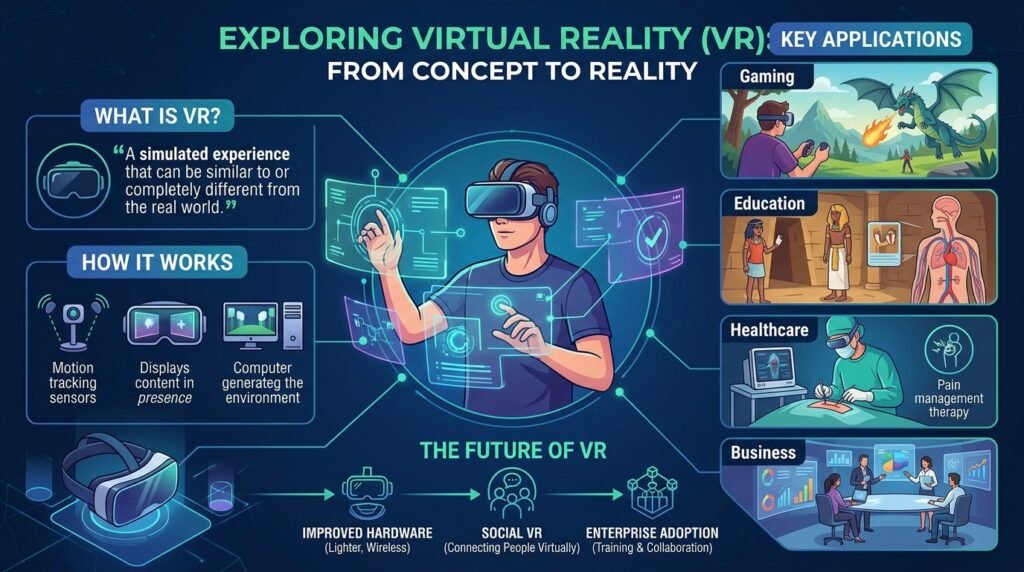
Essentially VR can be described as a computer-generated representation that either replicates or changes a person’s actual surroundings. Using technology designed to plunge the user into a 3D universe, typically using specific equipment such as headsets, panoramic controllers and full body motion systems can also be used. VR immerses users in an experience, whereas traditional user interfaces — like personal computers or smartphones — force the user to approach information from outside.
The trick to VR’s immersive power is its ability to make the brain believe a virtual world is real. The more types of sensory information that the system can deliver (visual, auditory and even tactile), the more persuasive is the virtual experience.
Explore More:
How Virtual Reality Works
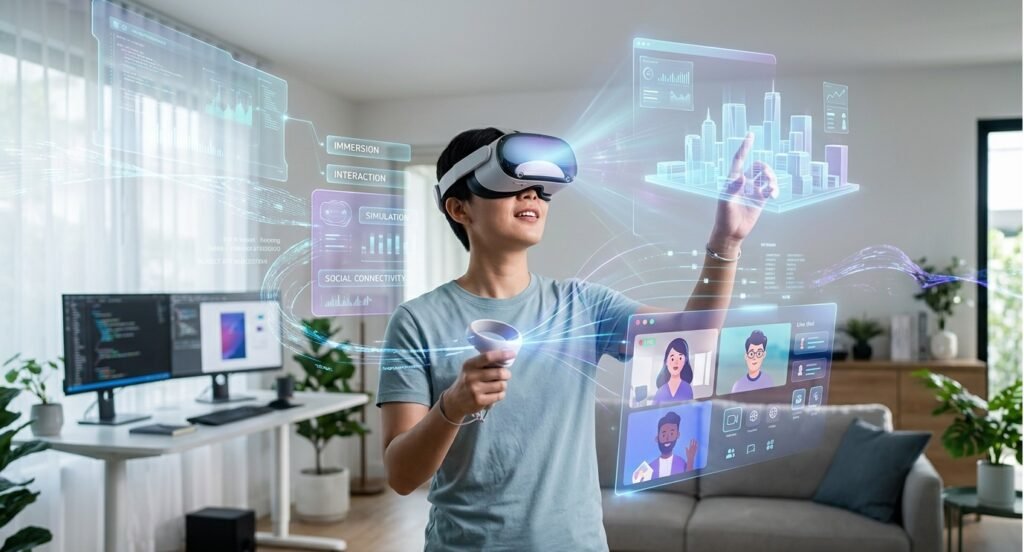
Explanation on How Things work behind VR might help to be clear about how it creates its immersive experience. An overview of the industry-standard technology powering Virtual Reality:
VR Hardware
Headsets
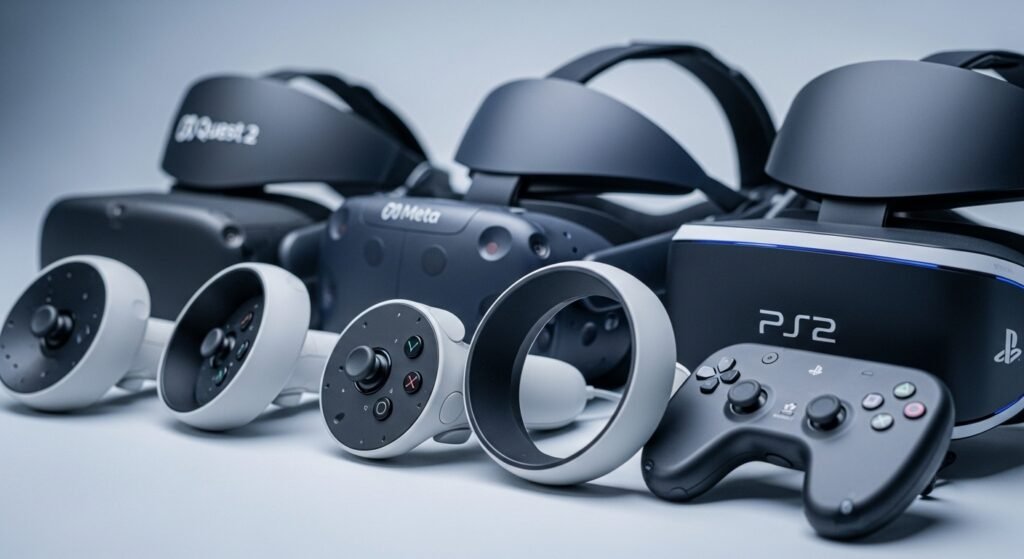
The most recognizable piece of vr equipment is the headset, typically consisting of a screen for each eye (stereo vision) and sensors to track your head movements. These headsets might be tethered to a PC or console, or work standalone with integrated processors. Some well-known VR headsets include:
Meta: Oculus Rift S and Oculus Quest
HTC Vive Pro
PlayStation VR
The most widely adopted ones are the VR headsets that give users a 360-degree view into their virtual environment as well as often built-in motion sensors of some sort to detect where the users are looking.
Controllers and Motion Tracking
Often, users interact with the virtual world through motion controllers that track hand movements and gestures. Additional systems provide haptic feedback, allowing you to experience pressure-like sensations to mimic touch-based interactions even through the VR world. In more complicated setups, full-body tracking empowers users to move and engage in realistic ways.
The accuracy of motion tracking technology is crucial to provide a realistic experience. As these systems make progress, they provide increasingly accurate and responsive control so that mother nature can operate on any object.
Software
Well, the software that powers VR experiences is just as crucial as the hardware. This entails coding the virtual environment, making interactive objects and rendering everything in real-time. VR software can be as complex as a fully modeled 3D environment or as simple as a game-type environment, and it’s being employed more frequently for training simulations and virtual tours.
AI on VR: The integration of artificial intelligence (AI) on Virtual reality enhances the user interaction process. This experience of making the environment reacts to user actions, will create more dynamic environments and adapts the virtual world to it.
Sensors and Cameras
One of the crucial hardware in VR are sensors that track user movements, mapping them to the virtual world. These sensors, built into the headset and controllers, track the user’s position and orientation in space. These sensors should be precise as they determine the quality of a user’s VR experience, which increases with precision of body movement in entire environment.
Most VR systems use infrared sensors or cameras to track the movement of both the headset and controllers. More sophisticated systems can track even nuanced body movements and gestures through full-body sensors, which is important in creating a seamless and lifelike VR experience.
Applications of Virtual Reality
VR isn’t just for entertainment, it is beginning to spread into multiple industries. So, here are some of the coolest applications of VR:
Gaming and Entertainment
(Without a doubt, gaming is the most recognized application of VR). VR gaming lets gamers be immersed in the action, look around, trod and interact with their game environment as if they were truly there. It makes for a much more immersive experience than screen-based gaming alone can provide.
Some top VR games include:
Beat Saber (a rhythm-based game)
Half-Life: Alyx (a first-person shooter)
The Walking Dead: Saints & Sinners (survival horror game)
These games, and others in the VR space, provide an unprecedented level of immersion. No longer are players just watching the action — they’re in it. That lets you have a more intuitive and interactive game play experience thus making it more engaging emotionally.
Entertainment Beyond Gaming
Virtual reality is also being used to create cinema experiences, allowing viewers to literally step into the worlds of their favourite movies and interact with 360-degree videos. VR is also being used in music concerts and live events to provide more immersive experiences for audiences who cannot attend in person. Imagine if you could attend your favorite live performance or concert, virtually as though being in the front row of the audience no matter where on Earth you’re currently residing.
Healthcare
For example, VR is being used in healthcare to improve medical training by allowing future doctors and nurses to practice procedures in an immersive simulated environment prior to executing those practices on real patients. It’s also used in pain management, providing VR-based experiences that keep patients’ minds off pain during medical treatments. VR has also been effective as a therapeutic tool for treating psychological disorders like post traumatic stress disorder and phobias, through gradual exposure to computer simulated environments where the patients can safely face their fears.
VR has also been utilized in physical rehabilitation programs. Patients after surgery or injury can use VR exercises to help restore movement and flexibility in a more fun and less daunting way than traditional therapies.
Education and Training
The Future of Education: Virtual Reality in the Classroom From virtual field trips to recreations of historic events, VR lets students interact with material in new and exciting ways. VR is already being used for simulations in fields like engineering, aviation and medicine that give students the opportunity to practice skills without risking lives.
That is, for instance, an airplane student placed inside a flight simulator can wear a VR headset with integrated software to practice moving his plane without any risk of being in the air. It is the advantage of technology that you can repeat the same task as many times as you need, gaining experience and self-confidence.
Architecture and Design
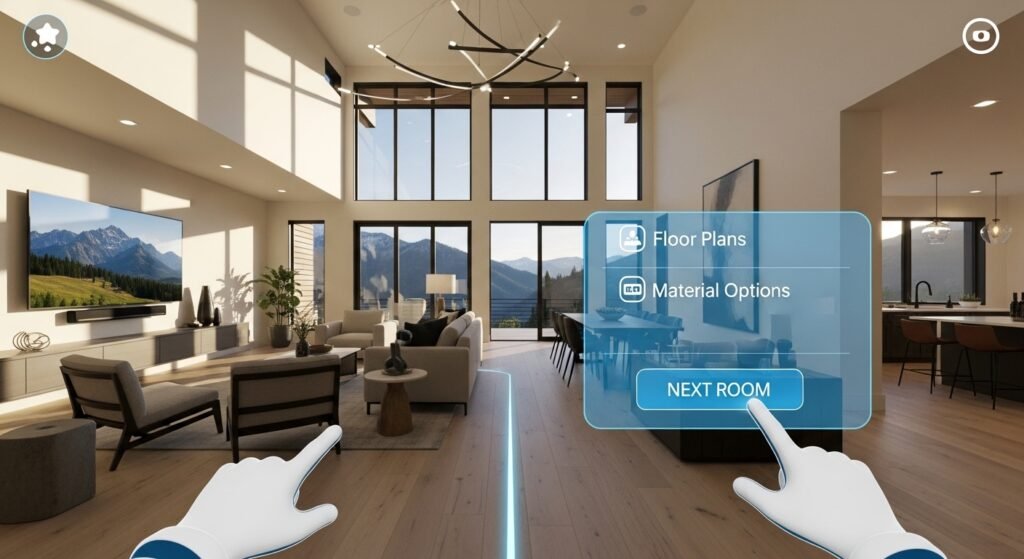
VR has been a key part of the architecture and real estate industries. Virtual Reality is also a powerful tool that architects and designers can use to create 3D walkthroughs of their desired plans, allowing clients to see inside a space before ever breaking ground. This helps avoid expensive changes and increases design phas decision making during the designs.
In real estate, virtual tours are becoming a trend since it enables prospect buyers to take a tour of the house without actually being there. This is particularly helpful for buyers who may be considering properties in different cities or even countries.
Tourism and Travel
Through the use of VR, the travel industry has an exciting opportunity to provide virtual tours to travelers and show potential visitors what they might experience. That can range from visiting a museum to taking strolls on the beaches of an exotic tropical island, and everything in between — from home. This enables travelers to make an informed choice as well when it comes to their travel plans.
Virtual tourism can also be an extraordinary for destination marketing: How do you convince a traveler to come to your state, city, or site if not by giving them the best of your location through interactivity?
Retail and E-commerce
In retail, VR is improving the shopping experience for customers, who can virtually try on clothes or accessories before buying them to make sure they are desirable in the first place and even visualize how furniture would look in their own homes. VR does just that for e-commerce businesses enabling them to fill the gap between in-store and online shopping, creating an interactive experience that’s not possible otherwise with traditional online shopping.
Corporate Use: Meetings and Collaboration
As remote work expands, companies are considering how they can have their teams meet in virtual environments. VR can simulate virtual offices where employees can communicate as if they’re in the same physical place, increasing user engagement and collaboration. In VR meetings, people gather in a simulated environment where they can present and discuss ideas in a more immersive way than via regular video calls.
The Future of Virtual Reality
Now the potential of VR is huge and there are more innovations to come in its future. Here are some trends to watch:
Standalone VR Headsets
VR is becoming more accessible and less dependent on high-powered PCs, thanks to standalone VR headsets, such as the Oculus Quest. VR technology is becoming more powerful and we can look forward to increasingly compact and low-cost VR headsets that add a realm of experience to the larger population.
Improved Haptic Feedback
Haptic technology is one area that’s moving fast. More advanced haptic feedback: In the future, VR could have even more sophisticated haptic feedback systems that simulate the sense of touch with greater precision, allowing for a more lifelike experience within digital environments. It would allow you to experience not just the feel of a texture but also the sensation of something sensorial — two ways an object might be touched or returned.
Social VR and Virtual Communities
Social VR is likely to play a key role in many aspects of our digital lives, enabling interaction with friends, family or even strangers within immersive virtual spaces. Picture going to a virtual concert with your friends or even connecting with someone for a cup of coffee in another country while being located miles apart in the real world — all within an entirely immersive VR experience.
Integration with Augmented Reality (AR)
Augmented Reality(AR) and VR can amalgamate the physical world with the digital realm and vice versa. The AR superimposes the digital glitches over the real-world content while VR creates a rich, interactive experience in an immersive environment; the future is a fascinating blend of both technologies.
Sources:
- Virtual Reality definition and technology
- Virtual reality explained
- WebXR Device API for immersive web experiences
Conclusion:
This is the question that Virtual Reality answers. As VR/adventures awaiting/mp/ure adventure education is becoming from the greatest kinds of clinical types. For people and businesses, adopting VR now leads to great opportunities for tomorrow!
Key Takeaways:
VR is fully immersive, tricking the brain into perceiving a virtual environment as if it existed in reality.
It can apply anywhere from gaming to health care and more.
However, the future of VR looks promising with advances in haptic technology, standalone headsets as well as social VR spaces.
We want to know what you think about VR! a Have you used a VR headset before, or are you curious about how VR could potentially transform your industry? That discusses how you can [Share your comments below or contact us for more information.
FAQs
What’s the difference between VR and AR?
Virtual Reality (VR) transports users to a digital world, while Augmented Reality (AR) overlays graphics onto the real world and enhances the reality instead of replacing it.
Can we harness VR for education and training?
Yes. Virtual reality can create safe life-like experiences for doctors, pilots, engineers and professionals to train their skills without worrying about the real-world consequences.
In what way does VR come together with AI?
By making environments responsive and adaptive to user actions, AI can enhance VR experience that leads to more realistic interactions and creates smarter simulations.
How do you train data with VR hardware?
The headsets most commonly used for VR are standalone and PC/console-based — which include; Meta Quest, HTC Vive Pro, PlayStation VR. These are complemented by motion controllers and haptic gloves for a complete interactive experience.
How is VR being used for practical applications outside video gaming?
VR is widely utilized in healthcare (surgical training, therapy), education (virtual classrooms, field trips), architecture (3D walkthroughs), tourism (virtual tours) and corporate collaboration(immersive meetings and presentations).