
AI travel planning turns a few details — where, when, and what you can spend — into a full trip plan in seconds. It reads flight and hotel prices, opening hours, and reviews, then builds an itinerary that fits your pace. It is a fast starting point, not a travel agent: check the details before you book.
Key Takeaways
- AI travel planning builds an itinerary from your budget, dates, interests, and pace.
- It compares live prices and warns you when fares may rise.
- It suggests places you might never have found on your own.
- Prices and opening hours can be wrong, so verify before you book.
- Share as little personal information as you can.
How does AI travel planning actually work?
You start by describing your trip in plain words: “five days in Rome in May, two adults, mid-range budget, we like food and history, and we hate rushing.” That is where natural language processing comes in — the system reads your message the way a person would, pulling out the destination, dates, and budget.
Behind the scenes, the planner pulls live information from many sources at once: flight fares, hotel prices, museum hours, weather, and local events. Machine learning models rank the options against your limits, so a cheap hotel an hour from the sights will usually lose to one that costs a little more and sits in the right neighbourhood. The system then assembles a day-by-day plan, grouping nearby sights together. Change something — “make day two slower” — and it rebuilds the plan.
What can an AI travel planner do for you?
The most obvious job is turning a vague idea into a concrete plan. Tell it “somewhere warm in March with good food and no long flights” and it will shortlist destinations and explain why each fits. That alone can save an evening of open browser tabs.
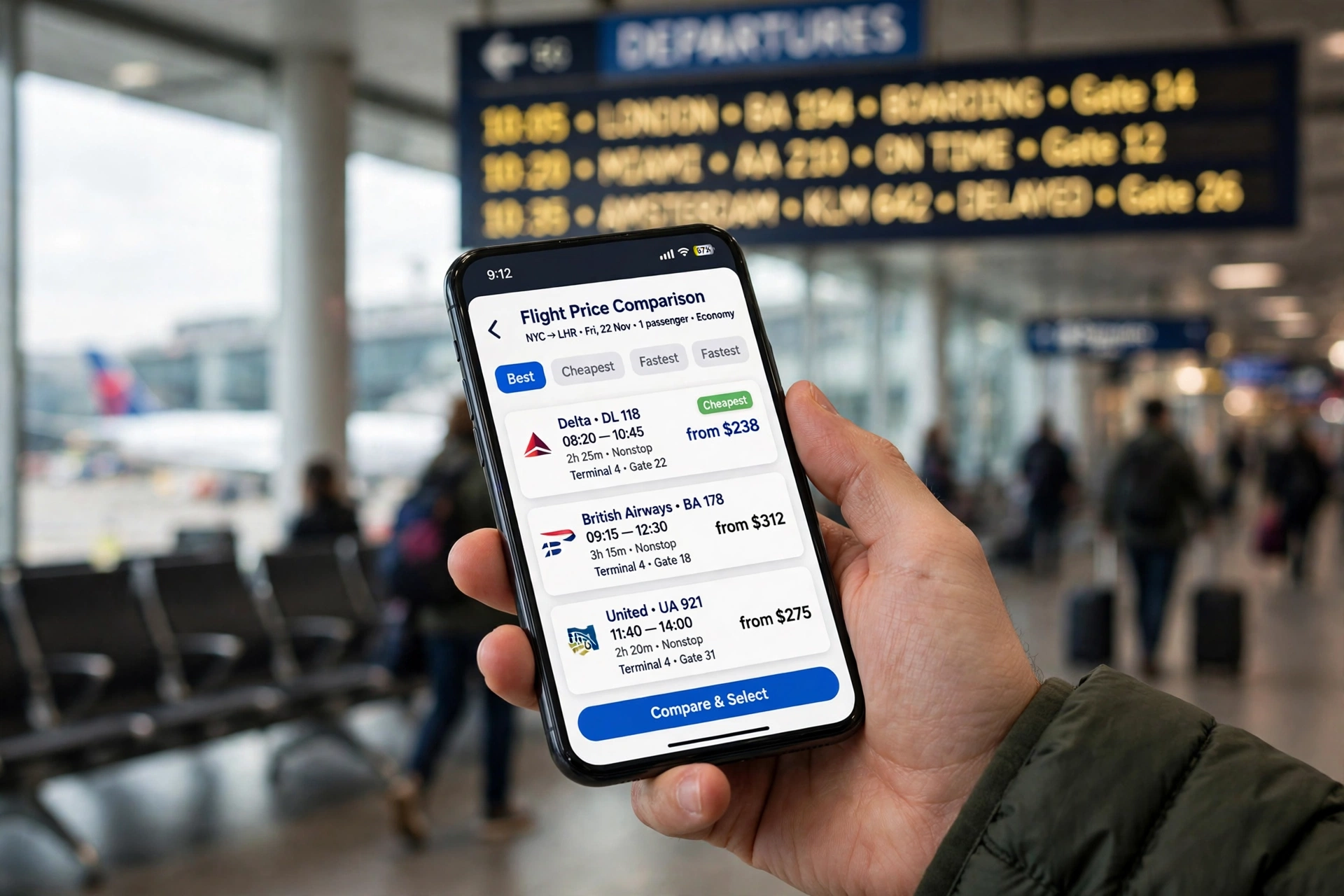
It can also watch prices for you. Several travel tools use artificial intelligence to track flight and hotel fares, then tell you whether to book now or wait — fares move constantly, and nobody can check them every day.
During the trip, the same tools keep working. They can translate a menu through your phone camera, suggest a restaurant near your hotel, or reroute your day when a train is delayed. Some learn from what you liked, so the next trip starts from a better guess about your taste.
AI travel planning vs planning it yourself
| AI travel planner | Planning it yourself | |
|---|---|---|
| Speed | A full itinerary in minutes | Hours of research |
| Personalisation | Works from stated preferences | You know your taste best |
| Price checks | Scans many options at once | Limited to sites you visit |
| Accuracy | Can invent hours or prices | You verify as you go |
| Surprises | Suggests places you would not find | Sticks to what you know |
Neither wins outright: the planner is faster, but only you know your companion gets tired by four in the afternoon. Let the AI do the heavy lifting, then shape the result yourself.
Where does AI travel planning go wrong?
The biggest problem is confident inaccuracy. AI systems can invent plausible-sounding details: a restaurant that closed two years ago, a museum’s winter hours quoted as summer hours, or a hotel that does not exist. Easy to miss, because the rest of the plan looks so polished.
Prices go stale quickly, too: a fare quoted yesterday may have changed, and a recommended room might already be sold out. Any plan is only a snapshot of the moment it was made.
There is also a bias problem. AI recommendations lean towards places with lots of online reviews, so popular sights and big hotel chains get suggested again and again, while small guesthouses barely appear.
And then there is privacy. To personalise a trip, these tools ask for your location, dates, interests, and sometimes payment details. Use a planner that explains what it stores, delete your data when the trip is over, and never type passport or card details into a chatbot.

How to get a good trip plan from AI
Start with a specific prompt. Instead of “plan a trip to Japan”, try “seven days in Japan in October, two adults, about $150 a day excluding flights, interested in food and gardens, prefer trains, one slow day built in.” Concrete limits give the system something to work with.
Ask it to show its workings: “list the prices and opening hours you used, and where each came from.” That makes it easier to spot an invented detail.
Then check the two things that matter most: that places are open when the plan says they are, and that prices match the booking site. Five minutes on the official museum page and the airline’s own site catches most errors.
Finally, treat the plan as a draft. Move things around, cut the day that tries to fit in five sights before lunch, and add the place only you care about. The planner did the boring part.
FAQs
Can AI book my flights and hotels for me?
Most AI travel tools suggest and link rather than book. They find the flight or hotel, then send you to the airline or booking site to finish the purchase. A few newer AI agents can complete bookings, but for most travellers the booking still happens on the official site.
Is AI travel planning free?
Many tools are free to try, with the basic itinerary builder included. Some charge for extras such as live price alerts or multi-city planning. Before paying, check whether the free version already does what you need.
How accurate are AI travel itineraries?
The structure is usually good and the details are shaky. Day-by-day flow and rough budgets tend to be right. Specific prices, opening hours, and ticket requirements are the parts most likely to be wrong, so verify those against official sources.
Can AI plan a trip for a group?
Yes. Some planners balance several people’s preferences, budgets, and dates at once. Even so, read the final plan together: a compromise that suits the algorithm may not suit the person who hates early mornings.
Should I share my passport or payment details with an AI travel app?
No. Share only what the planner needs — dates, destination, interests, and a rough budget. Book and pay on the airline’s or hotel’s official site, and check the app’s privacy settings so your trip data is not kept longer than necessary.
Conclusion
AI travel planning is at its best when you treat it as a tireless research assistant: give it a clear brief, let it do the searching and sorting, then check the details and make the plan your own.
Your next step is small. Pick a real trip, even a weekend away, and ask an AI travel planner to build it with your budget and pace in the prompt. Check two prices and two opening hours against official sites, fix what is wrong, and see how much time you saved.
Further reading: How AI Can Change the Way We Plan and Enjoy Trips (American Bar Association) and AI in Travel (The Motley Fool).