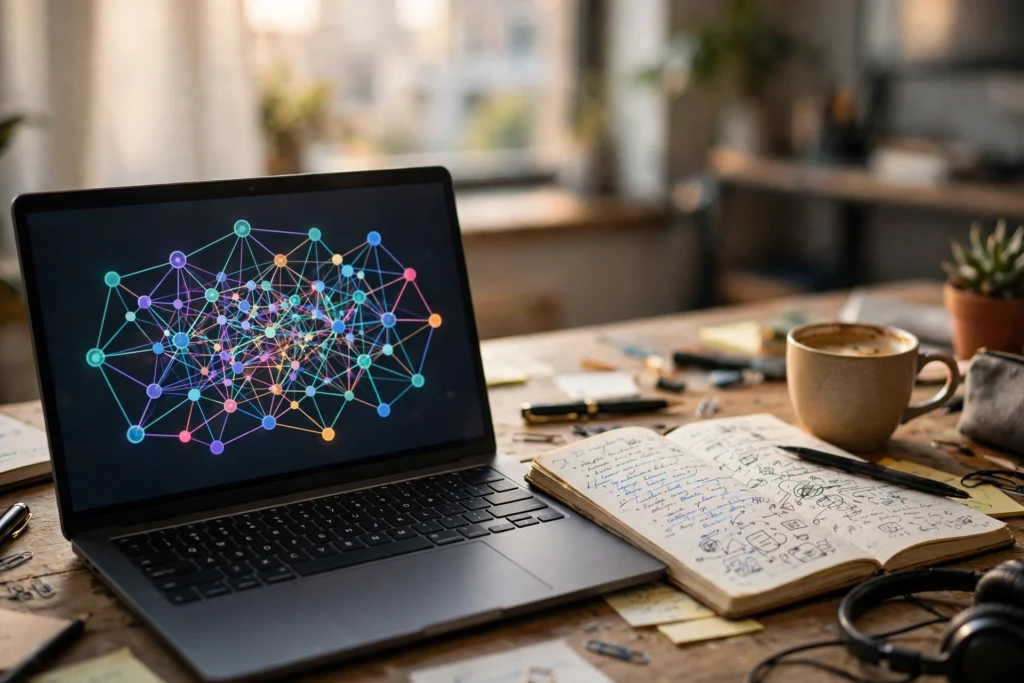
Transfer learning is a way of teaching an AI model a new task by starting from what it already learned on an older, often much larger task, instead of training it from scratch. Think of learning tennis after years of badminton: you do not start from zero, because your timing, footwork, and hand-eye coordination carry over, even though the racket and ball are different. For the wider picture, see our complete guide to artificial intelligence.
Key Takeaways
- Transfer learning reuses a model trained on a large task as the starting point for a smaller, related task.
- It can save time and data, because the new task often needs far fewer examples than training from scratch.
- It works best when the old and new tasks share useful patterns, such as edges in images or common words in text.
- It is not magic: if the tasks are too different, or the new data is messy, results can be worse, not better.
- Fine-tuning is one common way to adapt a pre-trained model, by retraining part of it on the new task.
What does transfer learning mean in plain terms?
In ordinary machine learning, a model usually learns one job from one set of examples. Want it to do something else? Collect a new set of examples and train again from the beginning. That can be slow and costly, especially when labelled examples are hard to get.
Transfer learning breaks that pattern. A team first trains a model on a broad task where data is plentiful, for example recognising everyday objects in millions of photos. Along the way, that model learns general skills: how to spot edges, shapes, textures, and parts of objects. Then, for a narrower job, such as spotting a particular fault on a factory line, the team starts from that trained model and adapts it with a much smaller set of examples.
Early layers of an image model often learn simple, reusable features, while later layers learn more specific combinations. In language models, a similar idea applies to grammar and word meanings.
How does transfer learning actually work?
Most transfer learning follows a simple sequence, even if the technical details vary.
First, a model is pre-trained on a source task. This long, data-heavy stage is often done once by a research team or a company, then shared for others to build on. Second, the team chooses how much of that model to keep. Sometimes they freeze the early layers, so those parts do not change, and only train a new final layer for the new task. That approach is sometimes called feature extraction, because the old model supplies useful features and only the last step is new.
Third, many teams go further and fine-tune the model. That means they allow some or all of its layers to keep learning, but gently, on the new examples. A small learning rate is often used here, so the model adjusts without forgetting everything it learned before.
Finally, test the adapted model on unseen examples. A model can look impressive on its training examples and still fail on fresh ones, especially when the new dataset is small.
IBM’s guide to transfer learning explains the same feature-extraction and fine-tuning steps.
When does transfer learning help most?
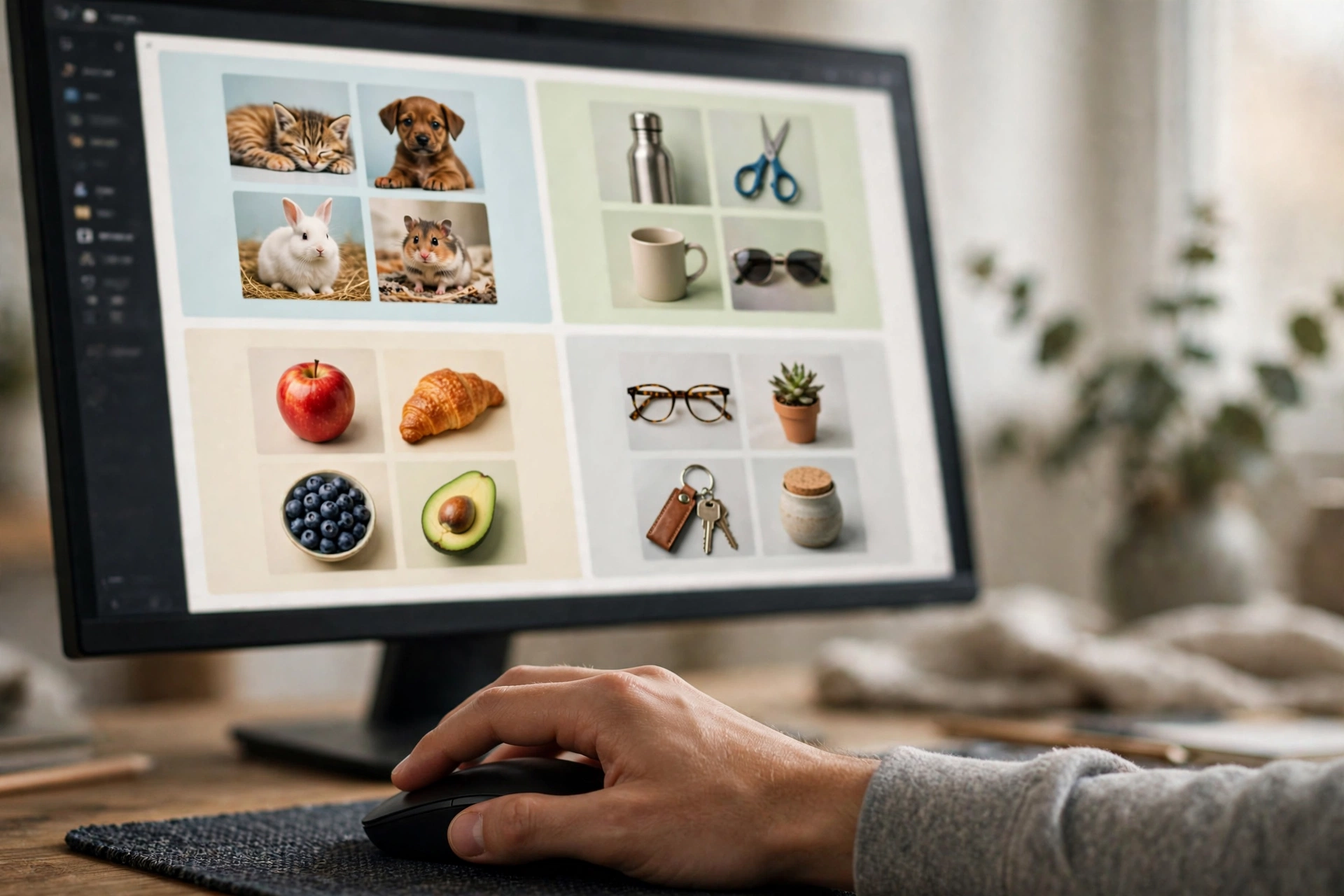
Transfer learning tends to shine when three conditions line up. The first is limited data for the new task. With only a few hundred labelled photos, or a small set of documents, starting from a pre-trained model often beats starting from scratch. The second is similarity between tasks. A model trained on general photos is more likely to help with another photo task than with a sound task, though cross-domain transfer sometimes surprises people.
The third condition is a decent match in data quality. If your new photos are blurry, poorly lit, or labelled inconsistently, no amount of pre-training will fix that on its own. Clean, representative examples still matter, even if you need fewer of them.
There are practical benefits too: reusing a pre-trained model can cut computing cost and time, which matters for small teams working on a laptop rather than a server farm.
That said, it is not always the right choice. With a huge, high-quality dataset for your exact task, training from scratch may be just as good, and very different tasks can cause negative transfer, where old knowledge gets in the way.
What are some everyday examples?
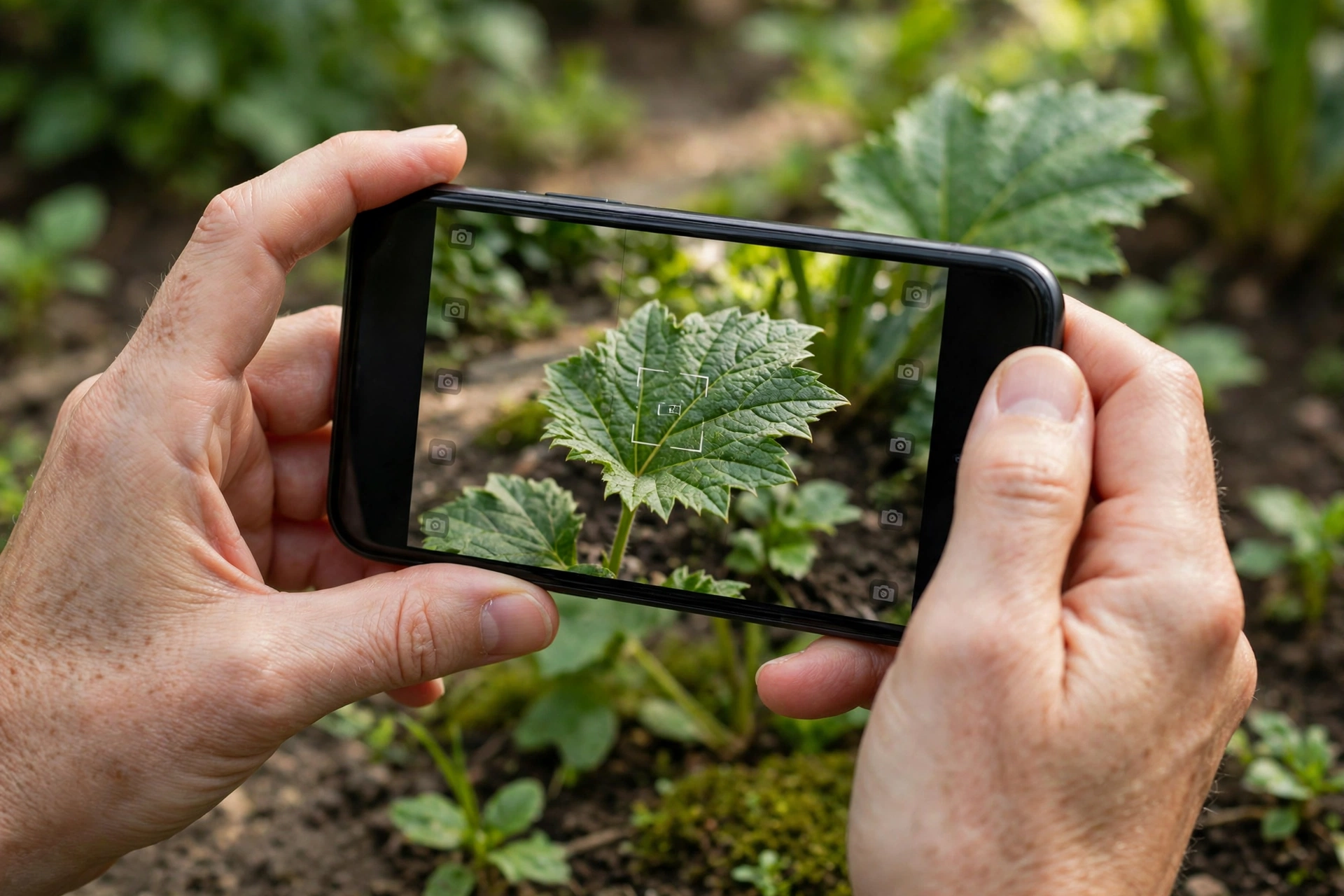
You have probably used transfer learning without noticing. Many phone camera features that recognise scenes, pets, or text start from models trained on broad image collections, then adapted for phone hardware and everyday photos. A similar pattern shows up in language tools: a general language model is adapted to a specific use, such as drafting replies or summarising documents.
In specialist fields, the pattern is even clearer. A medical imaging team might start from a model trained on general photos, then adapt it to a specific type of scan, using a smaller set of expert-labelled images. A small business might adapt a language model to its own product questions, rather than building a language model from nothing. A factory team might adapt an image model to spot defects on its own line, where examples of faults are rare by definition.
Deep learning models often work this way too.
What are the limits and risks?
The biggest limit is mismatch. If the pre-trained model learned patterns that do not apply to your task, its head start can become a handicap. A model trained mostly on bright, studio-style photos may struggle with grainy photos taken at night, even after adaptation. Testing on realistic examples is the best guard against this.
Another risk is overconfidence. Because a pre-trained model sounds capable, it is tempting to trust its outputs without checking them. That is risky wherever errors have real costs. Human review, clear limits on what the system is used for, and regular re-testing all help here.
Bias is another concern: a model can carry patterns from its original training data into the new task, so check results across different groups where that matters.
FAQs
Is transfer learning the same as fine-tuning?
Not quite. Transfer learning is the broader idea of reusing knowledge from one task for another. Fine-tuning is one common method within that idea, where a pre-trained model is further trained on the new task. You can also use a pre-trained model as a fixed feature extractor without fine-tuning it at all.
Do I need a huge dataset to use transfer learning?
Usually not. You still need enough labelled examples to adapt and test well, but often far fewer than training from scratch.
Can transfer learning work for both images and text?
Yes. In images, models often transfer low-level visual features. In text, models often transfer language patterns learned from large amounts of writing. The details differ, but the core idea, reuse what was learned before, is the same.
When should I avoid transfer learning?
Be cautious when your task is very different from the source task, when you already have a large dataset for your exact task, or when you cannot test on realistic examples.
Does transfer learning guarantee better results?
No. It often helps with small datasets, but can hurt if tasks mismatch or data is noisy, so compare against a simple baseline first.
A practical next step
If you want to try transfer learning yourself, start small and concrete. Pick one narrow task, gather a modest set of clean, well-labelled examples, and keep a separate test set aside from the start. Try a well-known pre-trained model for your type of data, adapt it gently, and compare it with a simple baseline. Note what improves, what gets worse, and where the model still makes mistakes.
That habit will teach you more than any single model choice.
TensorFlow’s transfer learning tutorial walks through feature extraction and fine-tuning with a worked image example.