Virtual reality has moved far beyond gaming. Hospitals, flight schools, factories, and architecture firms now use VR headsets to train staff, support patients, and preview designs before anything is built. The same immersive technology that powers games is quietly becoming a practical tool for learning, healing, and creating.
Key Takeaways
- VR training lets people rehearse dangerous, rare, or expensive tasks safely — from emergency response to equipment repair.
- In healthcare, clinicians use VR for therapy support, pain distraction, rehabilitation exercises, and surgical practice.
- Designers and architects walk clients through virtual buildings and products, catching problems before construction starts.
- VR complements real-world practice rather than replacing it, and its value depends on the quality of the software and the evidence behind each use.
How Is VR Used for Training?
Training is one of the most established professional uses of VR headsets. A trainee puts on a headset and is placed inside a realistic simulation: a burning building, an aircraft cockpit, a factory floor, or an operating room. They can practice procedures, make mistakes, and repeat scenarios as often as needed — without risk to people, equipment, or budgets.
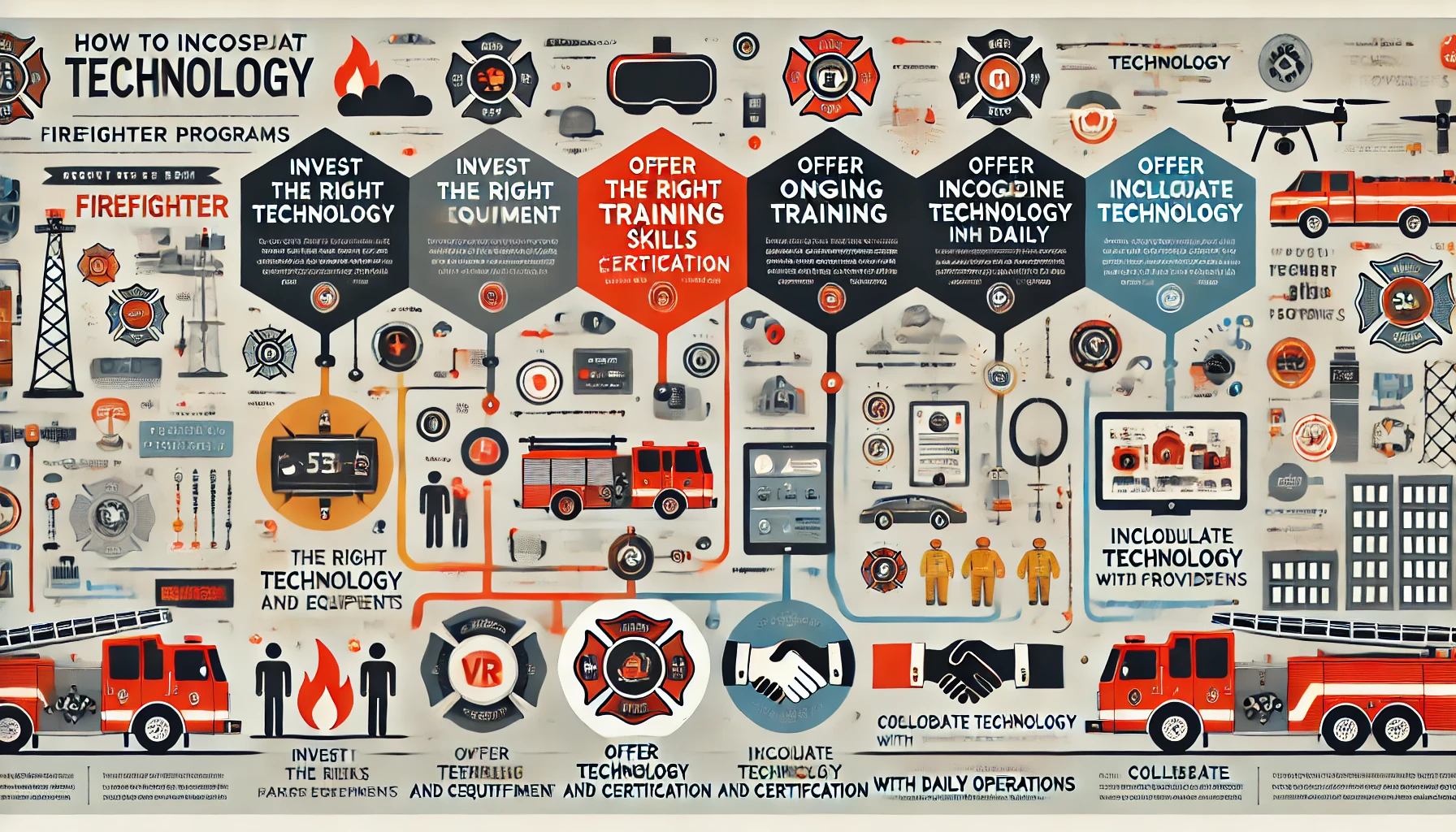
Emergency services were early adopters. Firefighters, paramedics, and police can rehearse high-stress situations that would be dangerous, rare, or expensive to stage in real life. Aviation has used flight simulators for decades, and modern VR extends that idea to far more professions, including warehouse work, electrical maintenance, and customer-facing roles.
Why Is VR Training Effective?
Several features make immersive training powerful. First, presence: the feeling of actually being in the scenario tends to focus attention in a way slides and videos rarely match. Second, safe failure: learners can try, fail, and try again without consequences. Third, repetition: a scenario can be run dozens of times at almost no extra cost. Finally, measurement: the software can record reaction times, gaze direction, and decisions, giving trainers objective data for feedback.
Where Is VR Training Used Most?
The strongest fit is where real-world practice is dangerous, rare, costly, or hard to schedule: emergency response, aviation, medicine, heavy industry, and the military. It is also growing in soft-skills training, such as public speaking or difficult conversations, where learners can rehearse with virtual characters before facing real people.
How Is VR Used in Healthcare?
Healthcare is one of the most promising — and most carefully studied — areas for VR beyond gaming. Clinicians and researchers use immersive environments for virtual reality therapy, pain management, physical rehabilitation, and medical training.
In therapy settings, VR can create controlled environments for exposure-based approaches, where patients gradually face feared situations — heights, flying, crowded spaces — with a clinician guiding the process. For pain, VR works partly as a powerful distraction: burn patients and people undergoing uncomfortable procedures have used VR to redirect attention during treatment. In rehabilitation, game-like VR exercises can make repetitive physical therapy more engaging and easier to track.
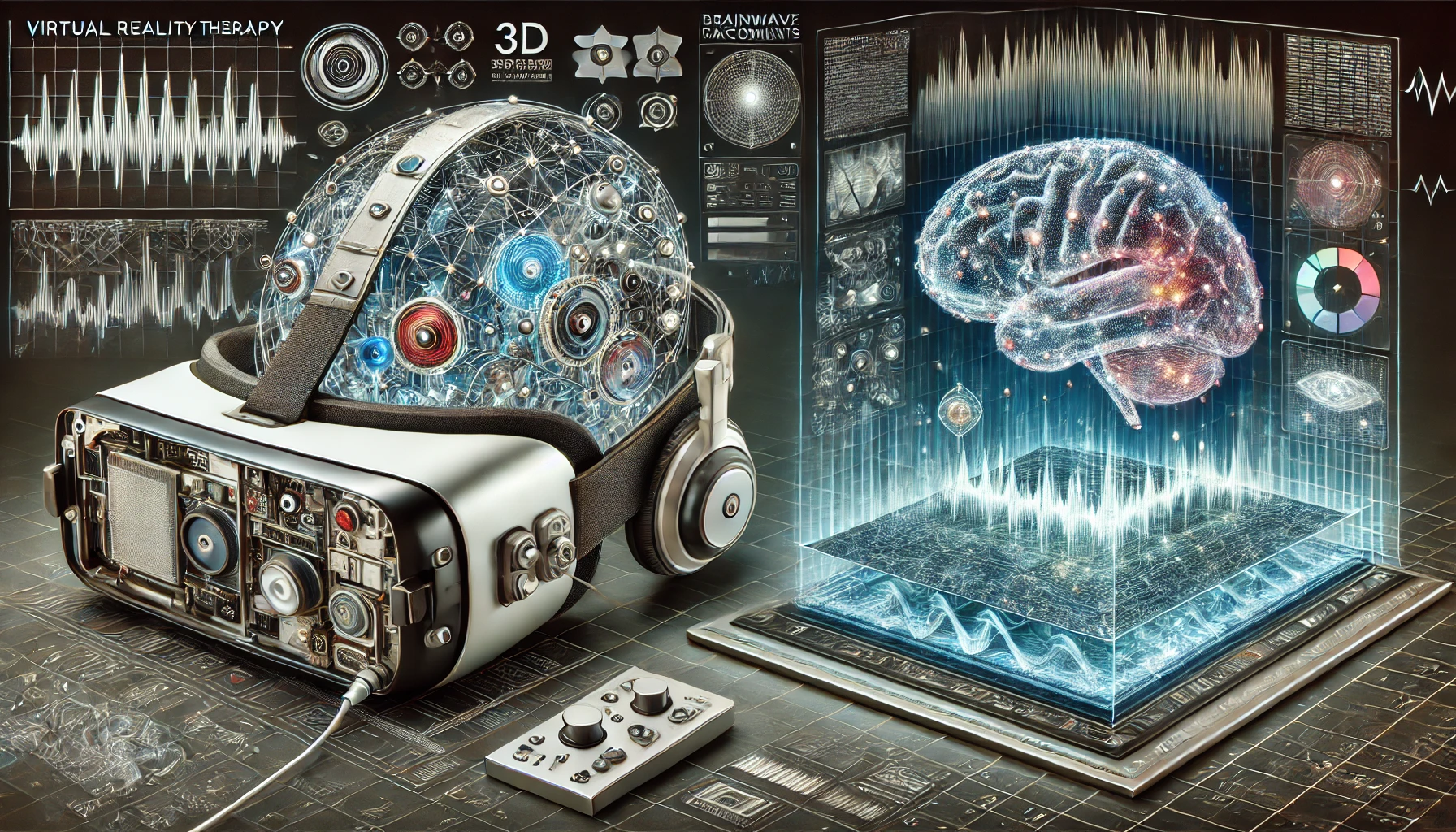
Medical students and surgeons also train in VR, rehearsing anatomy and procedures before touching a real patient. And Wikipedia’s article on virtual reality notes the technology’s expanding role across education and medicine.
Is VR Therapy Something You Can Do at Home?
Therapeutic VR is generally designed to be used with or under the guidance of a qualified professional, not as self-treatment. If you are curious about it, the sensible route is to ask your own clinician whether any evidence-based VR options exist for your situation — this article is general information, not medical advice.
How Do Designers and Architects Use VR?
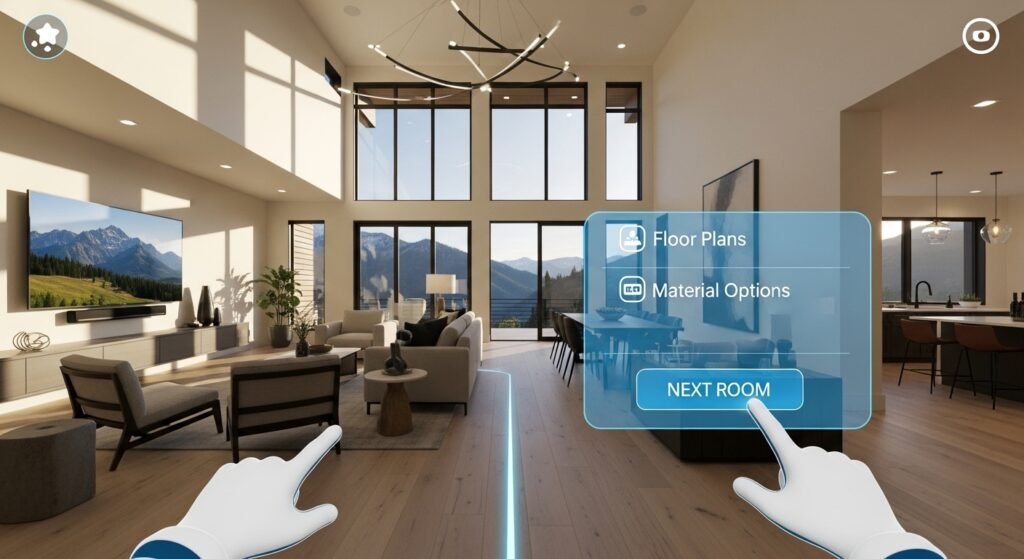
Design may be VR’s most visually obvious professional use. Architects build a 3D model of a building, then invite clients to walk through it in VR long before construction begins. A hallway that looks fine on a floor plan can feel cramped in VR; a window placement that seemed ideal on paper can turn out to face a blank wall. Catching those problems virtually is far cheaper than fixing them with concrete and steel.
The same idea applies to interior design, product design, and real estate. Buyers can tour properties remotely, trying different finishes and layouts. Product teams can evaluate the ergonomics of a prototype — how a control panel feels at arm’s length, whether a display is readable — without manufacturing anything.
For background on the technology itself, see our explainer on virtual reality, and Encyclopedia Britannica’s overview of virtual reality for the history and core concepts.
What About Collaboration in VR?
Design reviews increasingly happen with participants in different locations meeting inside the same virtual model. An architect in one city and a client in another can stand together in a virtual lobby, point at elements, and discuss changes in real time. Related approaches like mixed reality, which blends virtual objects with the real world, extend this to on-site work.
What Are the Limits of VR Beyond Gaming?
VR is a tool, not a miracle. Hardware still costs money, and good professional content costs more than the headset — a custom training simulation can be a serious investment. Comfort remains an issue: some people experience motion sickness, eye strain, or fatigue, which limits session length. Hygiene matters when headsets are shared, and accessibility is uneven for people with certain vision, hearing, or mobility needs.
Evidence quality also varies. Some applications, like certain training simulators, have strong track records; others are newer, and marketing claims can run ahead of the research. A reasonable approach is to ask for evidence: pilot results, independent evaluations, or peer-reviewed studies supporting the specific use you are considering.
Frequently Asked Questions
Is VR training as effective as real-world practice?
It depends on the task. VR excels at rehearsal, familiarization, and decision-making under pressure, and studies in several fields show skills transferring to real performance. But it rarely replaces hands-on practice entirely — most programs blend VR sessions with real-world exercises.
Can VR help with anxiety or phobias?
VR-based exposure approaches are used by some clinicians as part of structured therapy, with the professional controlling the pace and intensity. It is not a do-it-yourself treatment; anyone considering it should discuss options with a qualified mental health professional.
Do you need an expensive headset for professional VR?
Not necessarily. Standalone headsets now serve many organizations well, while high-end tethered systems suit demanding uses like surgical simulation. The right choice depends on the fidelity the task requires.
How is VR different from mixed reality in professional settings?
VR replaces your surroundings entirely, which suits full simulations. Mixed reality overlays digital objects onto the real world, which suits tasks where you still need to see your actual environment — such as guided repairs or on-site design review.
Will VR replace in-person training and design reviews?
Unlikely in most fields. VR removes distance and danger from rehearsal, but human judgment, physical touch, and real-world unpredictability still matter. The pattern so far is augmentation: VR handles what it does best, and people handle the rest.
Conclusion: A Practical Next Step
Virtual reality’s most important work may now be happening outside games — in training rooms, clinics, and design studios. To understand it firsthand, try a low-cost demo at a library, university, or tech event. If you are evaluating VR professionally, ask vendors for a small pilot with measurable goals. Experiencing it yourself is the fastest way to separate genuine utility from hype.