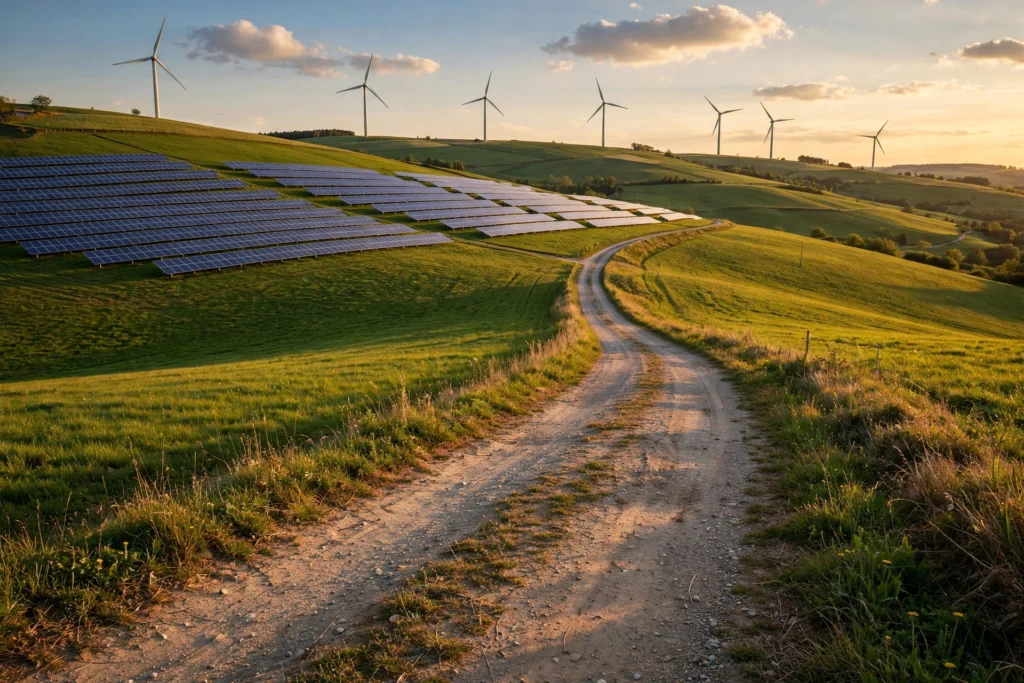
AI helps fight climate change by turning huge piles of climate, weather, and energy data into decisions people can act on. It spots patterns no team could track by hand, from a coming wildfire to a wasted megawatt. It is a tool, not a cure — but used well, it makes climate work faster and sharper.
Key Takeaways
- AI helps fight climate change by finding patterns in weather, energy, and environmental data.
- Its biggest wins are in energy grids, weather forecasting, wildfire detection, and nature protection.
- AI also uses a lot of electricity itself, so its own footprint matters.
- AI can guide better choices, but it cannot replace cutting emissions.
What does AI actually do for the climate?
Think of AI as a very fast pattern-spotter. Climate work produces enormous amounts of data: satellite images, sensor readings, weather records, and power-grid measurements. A person could spend a lifetime reading a fraction of it. An AI model can scan it in hours and point out what looks unusual, what is likely next, and where action would help most.
A model might notice a patch of forest drying out faster than usual, raising the fire risk. Another might work out the best time to charge electric buses so they use the cheapest, cleanest power. None of this removes carbon from the air on its own. What it does is help people, companies, and governments spend their time and money where they count. Our guide to what artificial intelligence is explains how these systems learn from data.
How does AI help make energy grids smarter?
Electricity grids are a balancing act. Supply has to match demand every second, and wind and solar power rise and fall with the weather. AI helps grid operators forecast both sides of that balance: how much power homes and businesses will need, and how much sun and wind will deliver.
With a better forecast, operators lean less on standby fossil-fuel plants and waste less clean power. AI can also route electricity around faults and spot equipment that is about to fail. The gains are gradual rather than dramatic, but a grid that wastes a few percent less energy still matters, because grids move enormous amounts of power.

Where does AI help beyond energy?
Energy gets most of the attention, but AI shows up in other corners of climate work too.
Wildfire detection is one of the clearest examples. Cameras and satellites watch huge areas of forest, and AI models flag the first signs of smoke or heat far faster than a person could. Earlier warnings mean firefighters can reach a blaze while it is still small. Our post on how AI helps fight wildfires looks at that system in more detail.
Weather forecasting is another. AI models trained on decades of weather records can now forecast faster and, in some tests, more accurately than older methods. Better forecasts help farmers plan planting and help cities prepare for storms. You can read more in our explainer on how AI forecasts the weather.
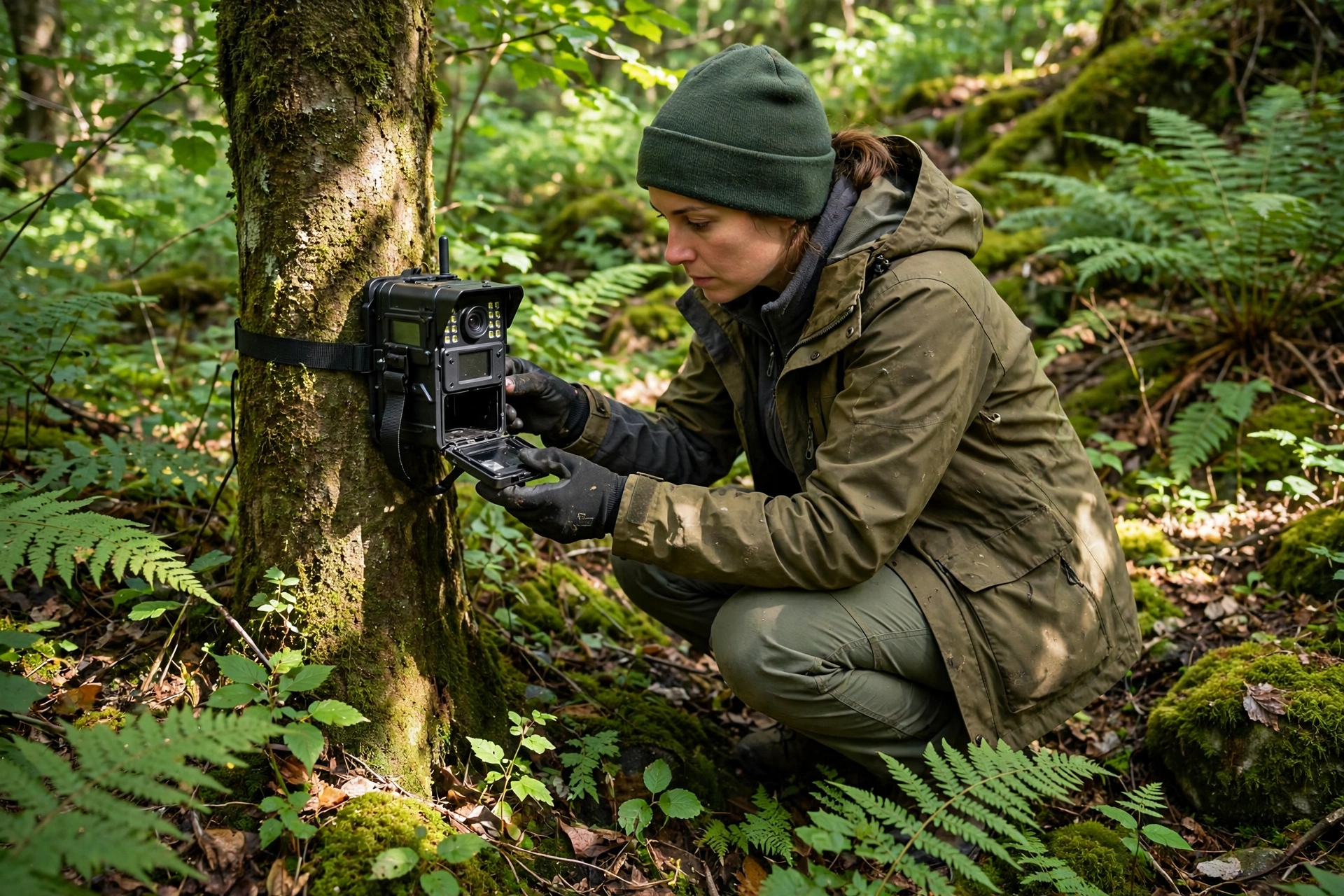
Nature protection benefits too. Camera traps take thousands of photos, most of them empty. AI sorts the images, identifies species, and flags the rare ones, so researchers spend time on what matters. That is how AI helps protect wildlife, counting endangered animals and tracking illegal activity in remote areas.
What about AI’s own energy use?
Here is the awkward part of the story: AI itself uses a lot of electricity. Training a large model can take weeks of work by thousands of specialised chips, and running AI services for millions keeps data centres busy around the clock. Where that power comes from matters a great deal.
The MIT Climate Portal has a clear look at this tension, explaining how the growth of AI data centres is reshaping electricity demand and what it means for grids, bills, and emissions. The picture is mixed: some data centres run on clean power and keep getting more efficient, while others draw on grids that still burn fossil fuels.
That does not cancel out AI’s climate uses, but the net effect must be measured, not assumed. The most useful question is whether a particular use saves more emissions than the computing behind it creates.
What are the limits of AI for climate action?
AI is good at finding patterns, but it cannot fix things that are not data problems. It cannot build a wind farm, pass a law, or plant a forest. It works with the data it is given, and if that data is patchy — say, weather sensors are sparse in one region — its answers will be weaker there.
There is also a risk of leaning on AI to delay harder choices. A model that trims a factory’s energy use is useful, but no substitute for switching that factory to clean power. And predictions are still predictions: a model can say a flood is likely, but someone still has to act on the warning. The IPCC’s latest assessment sets out the scale of the change — and why tools that sharpen forecasts and spot problems early are in demand, from tracking methane leaks to helping farmers adapt.
Frequently Asked Questions
Can AI really reduce carbon emissions?
Yes, in specific places. It can cut wasted energy in buildings and grids, improve forecasts, and speed up research into cleaner materials. But reductions are measured case by case, and AI alone does not lower a country’s total emissions.
Does AI use more energy than it saves?
It depends on the use. A model run once to design a better battery may save far more energy than it cost to train. A chatbot answering millions of questions a day is different.
How does AI predict extreme weather?
AI models learn from past weather records, satellite images, and sensor data, then look for patterns that came before storms, heatwaves, or floods. They are improving, but human forecasters still check the results.
Is AI used to track deforestation?
Yes. Satellite images are scanned by AI to spot new clearings and changes in forest cover, often within days. That helps rangers respond while the damage is still limited.
What can I do with AI to lower my own footprint?
AI tools can check your home’s energy use, plan efficient routes, or find the best time to run appliances on cheaper, cleaner power. The effect of one household is small, but the habits are real.
What should you do next?
AI helps fight climate change most when pointed at a clear problem with good data behind it: a grid that wastes power, a forest that needs watching, a forecast that needs sharpening. If you work in one of those areas, start small — pick one decision you already make with data, and test whether an AI tool makes it faster or more accurate.
For everyone else, the step is simpler. Next time you hear a big claim about AI saving the planet, ask two questions: how much energy did it take, and what exactly changed?